


 Skype: chinamaker99
  Tel: 86-316-5120812
  Email:
  Whatsapp:
 In various pipeline systems, flanges serve as the core components for connecting, disassembling, and inspecting pipelines, and their performance directly affects the sealing, safety, and service life of the entire pipeline system. Stainless Steel Flange, with its excellent properties and precise structural design, breaks the limitations of ordinary flanges in terms of corrosion resistance and susceptibility to rusting. It can not only achieve strong connections between pipelines and equipment, but also adapt to various complex working conditions, becoming the preferred component in pipeline systems in multiple industries such as petroleum, chemical, food, medicine, municipal, and power. It has the advantages of corrosion resistance, high temperature resistance, reliable sealing, and easy installation, which not only ensures the stable operation of the pipeline system, but also reduces maintenance costs in the later stage, and adapts to various pipeline connection requirements with high performance requirements for connecting components.
The core advantage of stainless steel flanges first comes from the characteristics of their material itself. Stainless steel materials contain a certain proportion of chromium element, which can form a very thin and dense chromium oxide passivation film on the surface. This film gives the material a unique “stainless” characteristic, namely excellent corrosion resistance. According to the requirements of different usage environments, stainless steel materials with different compositions can be selected, such as 304 stainless steel widely used in general corrosive environments, 316 molybdenum containing stainless steel suitable for more corrosive media environments, and super duplex stainless steel specially developed for high chloride environments. The diversity of this material endows stainless steel flanges with extensive adaptability, enabling them to handle various complex working conditions from ordinary tap water to strong acids and alkalis, from high-temperature steam to low-temperature liquefied gas, etc. with ease.
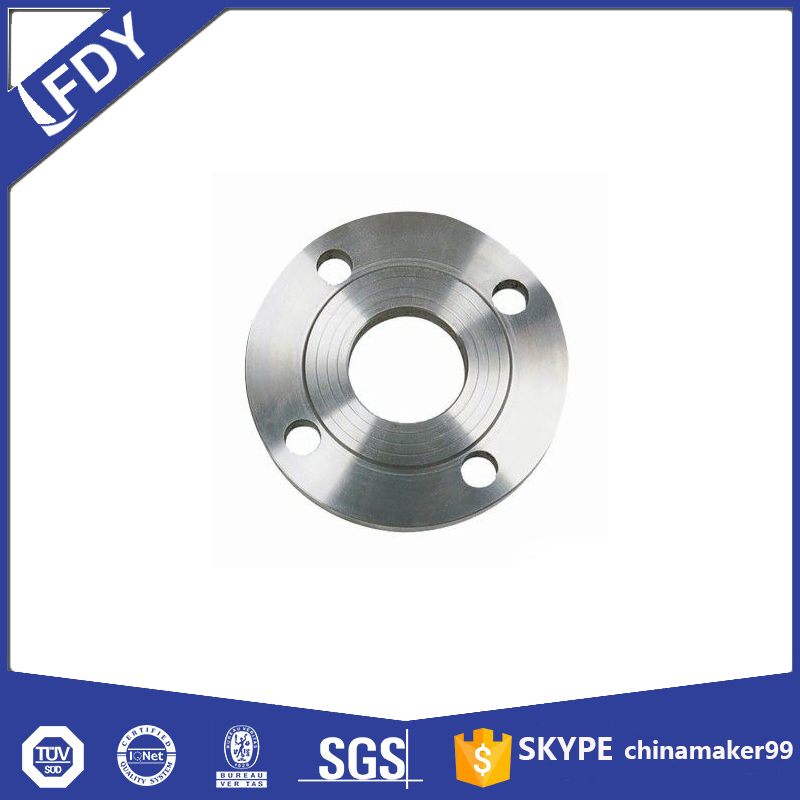
In addition to excellent material properties, the structural design of Stainless Steel Flange also fully meets the practical needs of pipeline connections. There are a variety of common structural types that can be flexibly selected according to pipeline conditions and installation methods. The most commonly used types include flat welding flanges, butt welding flanges, socket welding flanges, threaded flanges, etc. Each type has its unique structural advantages and adaptation scenarios. Flat welding flanges have a simple structure and easy processing. The flange and pipeline are connected by flat welding, with low installation difficulty and moderate cost. They are suitable for low-pressure and room temperature pipeline systems, such as municipal tap water and civil gas pipelines; Welding flanges, also known as high neck flanges, have a neck design that enhances the rigidity and load-bearing capacity of the flange. They are connected to pipelines through welding, resulting in superior sealing performance. They are suitable for high-pressure and high-temperature pipeline systems, such as oil and gas transportation and power boiler pipelines.
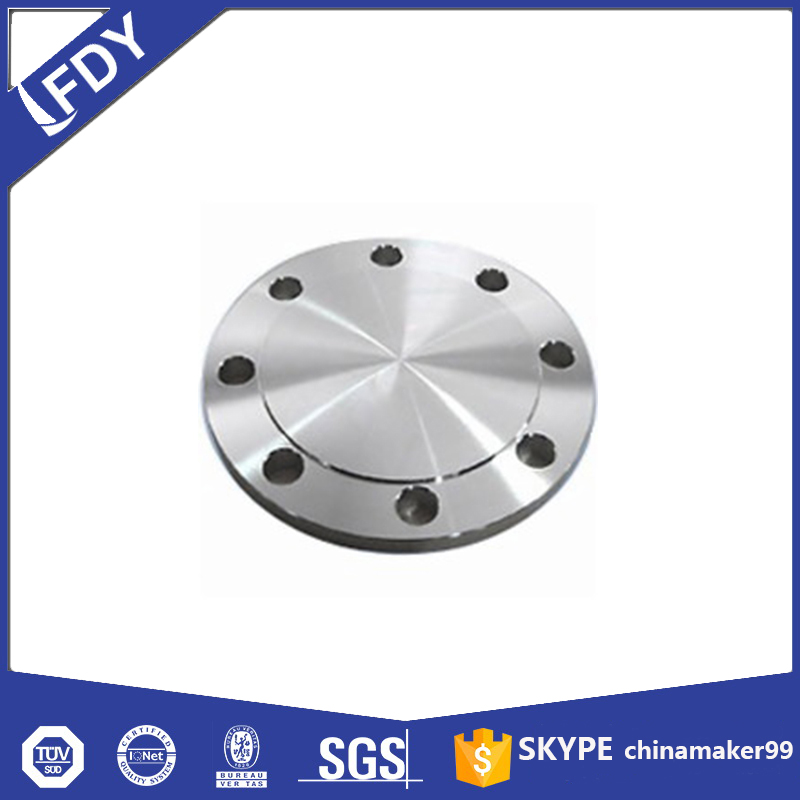
From the perspective of structural design and functional implementation, the flange connection system embodies precise engineering thinking. A complete flange connection usually consists of a pair of flange plates, sealing gaskets, and connecting bolts. The sealing surface design of the flange itself is crucial. Common forms such as flat, convex, mortise and tenon surfaces, and ring connection surfaces are suitable for different pressure levels and sealing requirements. By applying pre tightening force to the bolts, the two flanges are compressed tightly, causing sufficient compression deformation of the gasket between them, thus filling the micro uneven surface and forming an effective sealing barrier. This design not only ensures the firmness of the connection, but also provides convenience for the installation, maintenance, and modification of the system – it can be disassembled by simply loosening the bolts, without cutting or welding the pipes, greatly improving the flexibility of engineering maintenance.
The applicable scenarios of Stainless Steel Flange are very wide, covering multiple industries with high performance and hygiene requirements for pipeline connection components, making it an indispensable key component in pipeline systems. In the petrochemical industry, pipeline systems need to transport highly corrosive, high-pressure, and high-temperature media such as crude oil, natural gas, and chemical raw materials. Stainless Steel Flange, with its excellent corrosion resistance, high temperature resistance, and pressure resistance, is used for connecting pipelines, pipelines and reaction vessels, pumps, valves, and other equipment to ensure the safe and stable operation of petrochemical production and avoid safety accidents such as medium leakage and production interruption caused by flange damage.
In the food and pharmaceutical industries, pipeline systems need to transport food raw materials, drugs, drinking water, etc., with extremely high hygiene requirements. Stainless Steel Flange uses food grade stainless steel material, with a smooth surface, easy cleaning, and no harmful impurities, which can avoid contaminating media. At the same time, it has strong corrosion resistance and can resist the erosion of various acidic and alkaline media during food and drug processing, ensuring product hygiene and safety, and adapting to the pipeline connection needs of food processing plants and pharmaceutical plants.