


 Skype: chinamaker99
  Tel: 86-316-5120812
  Email:
  Whatsapp:
Stainless steel flanges serve as critical connectors in piping systems, facilitating easy assembly, disassembly, and maintenance across industries. Their unique combination of corrosion resistance, strength, and versatility makes them a preferred choice for applications where reliability and longevity are paramount. Unlike flanges made from other materials, stainless steel variants excel in harsh environments, standing up to moisture, chemicals, and temperature extremes that would degrade lesser alternatives.
The corrosion resistance of stainless steel flanges stems from their chromium content, which forms a passive oxide layer on the surface. This layer acts as a protective barrier, preventing rust and degradation even when exposed to saltwater, acidic solutions, or industrial chemicals. This property is particularly valuable in marine, pharmaceutical, and food processing industries, where hygiene and resistance to contamination are non-negotiable. Additionally, the oxide layer self-heals if scratched, ensuring long-term protection without additional coatings.
Strength and durability are another key advantage. Stainless steel’s inherent toughness allows flanges to withstand high pressure and temperature fluctuations, making them suitable for oil and gas pipelines, power generation plants, and chemical processing facilities. They maintain their structural integrity under heavy loads and repeated use, reducing the risk of leaks or system failures. Compared to carbon steel flanges, stainless steel options offer better resistance to stress corrosion cracking, a common issue in high-pressure, corrosive environments.
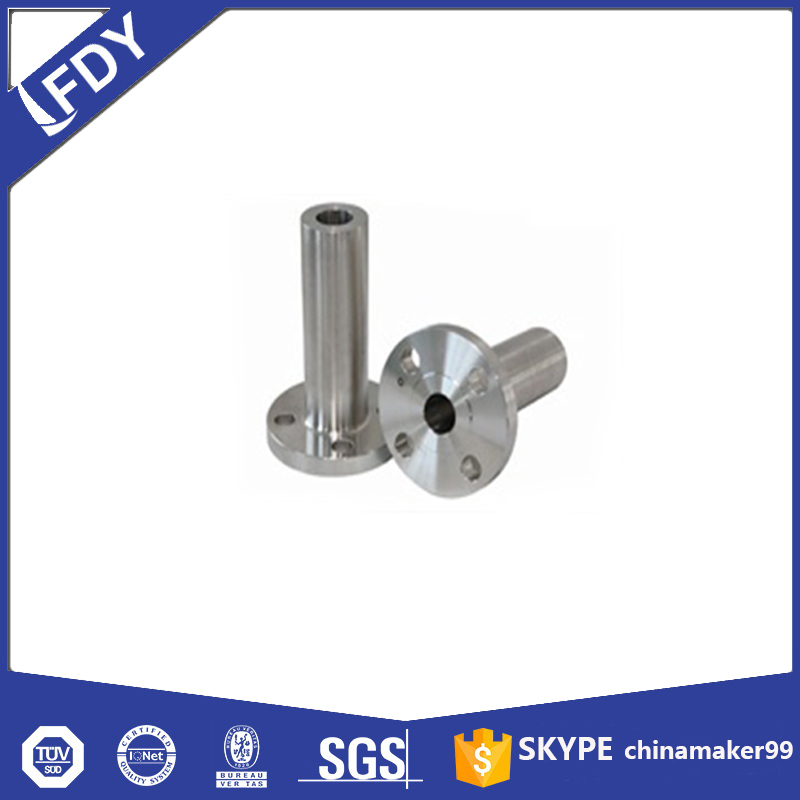
There are several common types of stainless steel flanges, each designed for specific applications. Weld neck flanges provide a strong, permanent connection ideal for high-pressure systems, while slip-on flanges offer ease of installation for low to medium pressure uses. Blind flanges are used to seal the end of pipes, and socket weld flanges are preferred for small-diameter, high-pressure lines. The choice of flange type depends on factors such as pressure rating, pipe size, and installation requirements.
When selecting stainless steel flanges, material grade is a critical consideration. 304 stainless steel is the most widely used, offering good corrosion resistance for general applications. 316 stainless steel, with the addition of molybdenum, provides enhanced resistance to chloride corrosion, making it suitable for marine and coastal environments. It is also important to ensure flanges comply with industry standards, such as ASME B16.5, to guarantee compatibility and performance.
Proper handling and installation further extend the lifespan of stainless steel flanges. Avoiding contamination during storage and installation prevents corrosion, while ensuring proper alignment and torque during assembly minimizes stress on the flange. Regular inspections for signs of wear, corrosion, or damage help detect potential issues early, ensuring the continued safety and efficiency of the piping system.